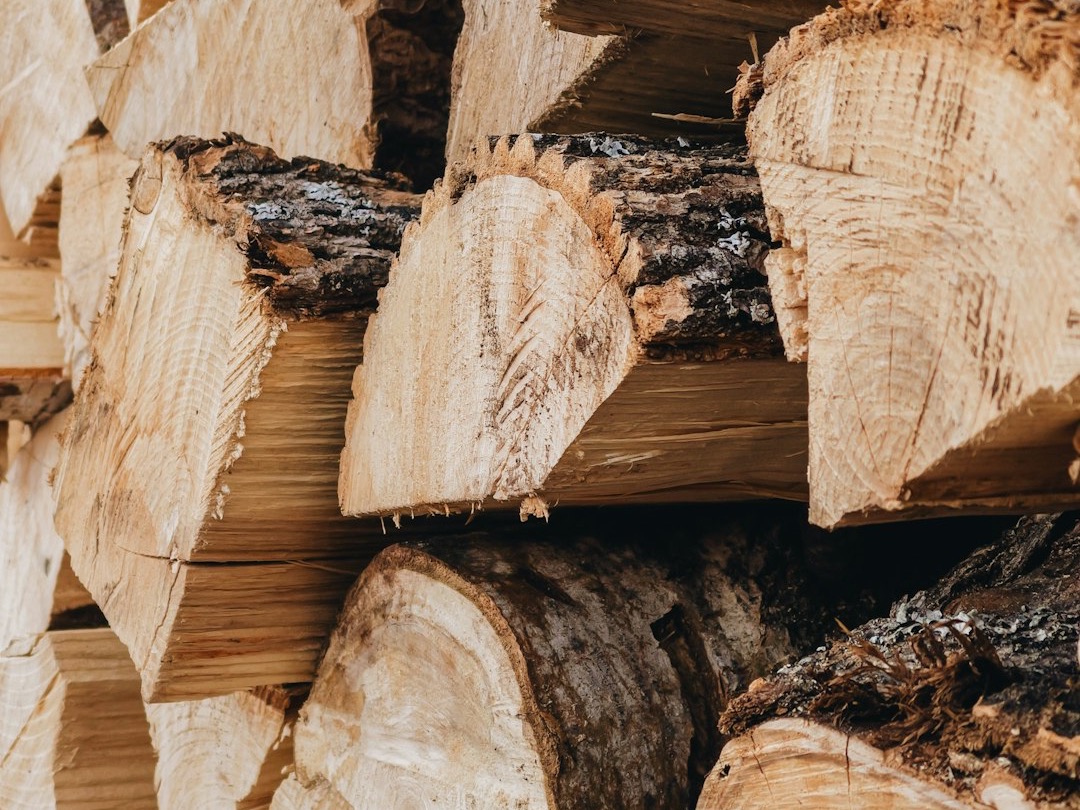
Hardwood, such as oak, ash, and beech, is the preferred fuel for stoves. Its density ensures a long, steady burn and consistent heat output.
Softwood, like pine and spruce, burns much faster and at a lower temperature, making it more suited for kindling to get your fire started. While softwood is easy to ignite, it's not ideal for long-lasting heat.
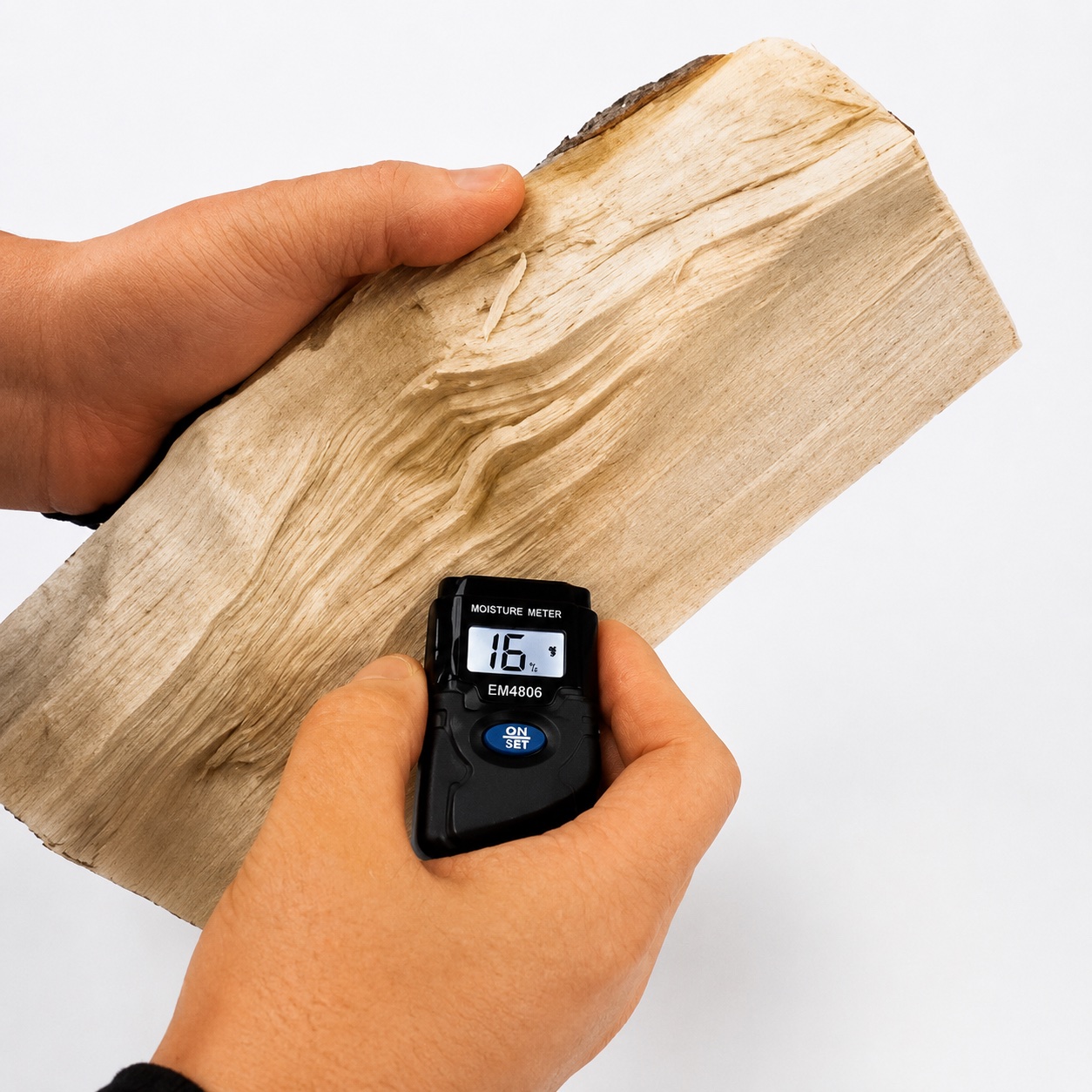
Dry wood is the cornerstone of efficient stove operation. Wood with a moisture content of 20% or less burns hotter and cleaner, producing more heat and less smoke.
Wet or green wood, on the other hand, causes incomplete combustion, leading to excess smoke, sticky tar deposits in your stove and flue, and less heat. To ensure your wood is ready to burn, use a moisture meter or choose kiln-dried or seasoned wood certified with the Ready to Burn logo.
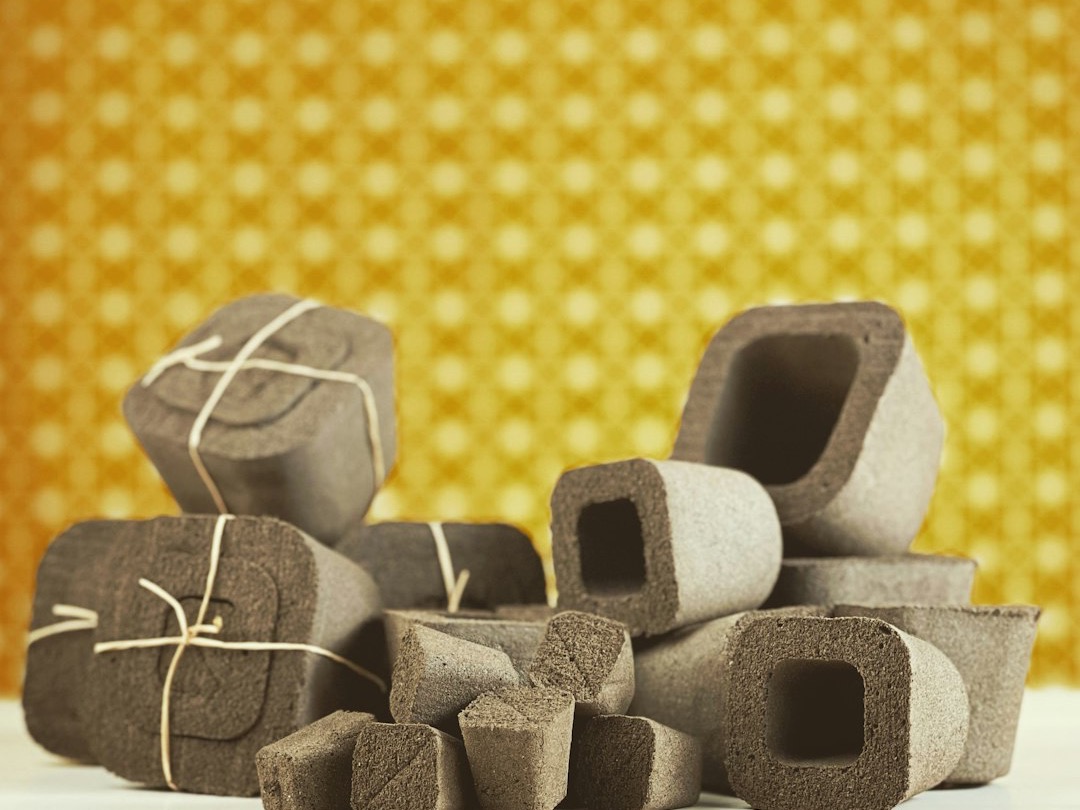
Wood briquettes offer an efficient, convenient alternative to traditional logs. Made from compressed wood particles like sawdust, briquettes typically have a moisture content below 10%, which allows them to burn hotter and potentially longer than logs.
They're easy to handle and store, but it's important to keep them in a cool, dry place. Exposure to heat or direct sunlight can cause sweating inside their packaging, which can lead to moisture buildup and reduced performance.
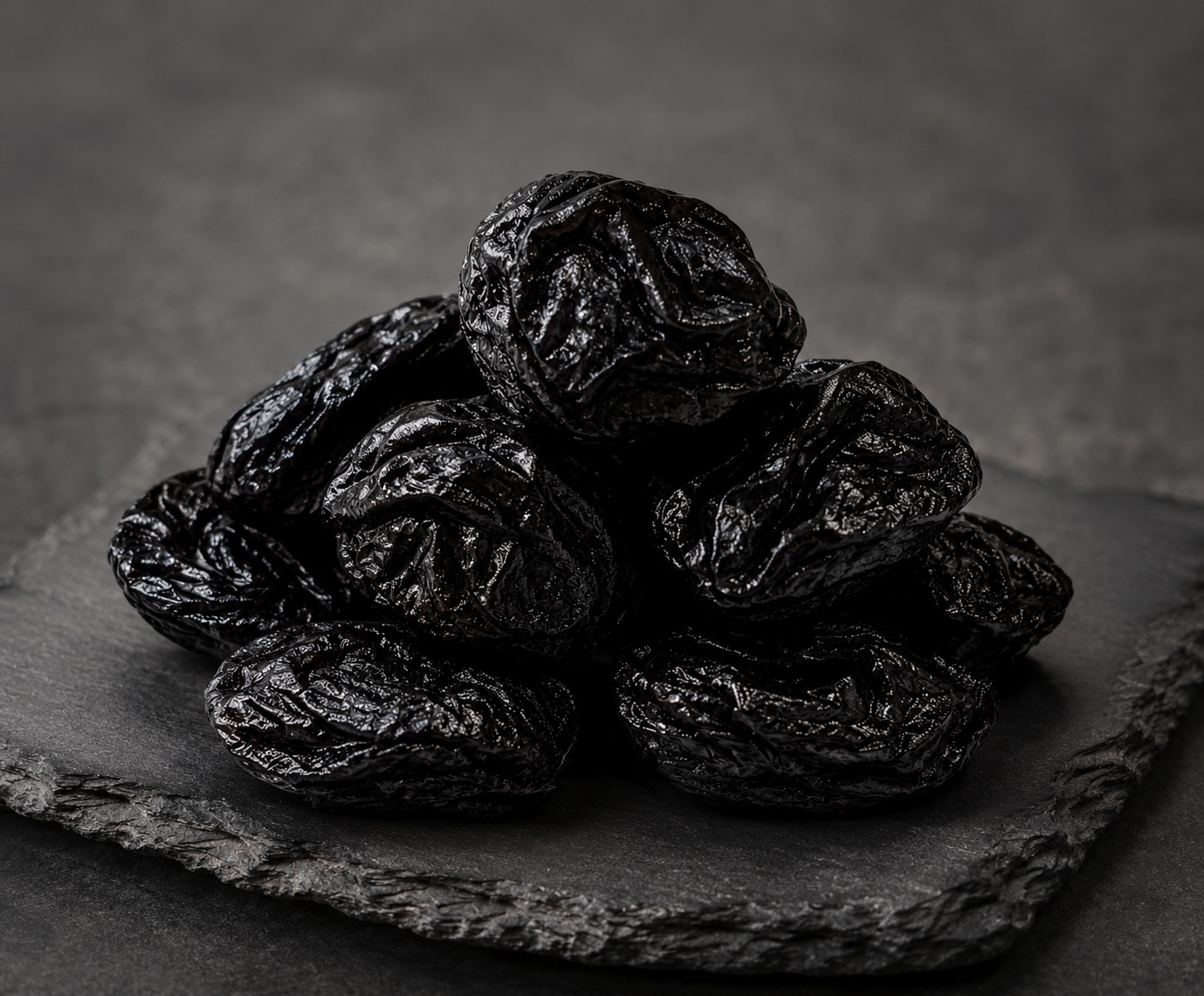
Anthracite or manufactured smokeless fuels approved for closed appliances is perfect for multi-fuel stoves and areas with Smoke Control regulations.
With its high carbon content and low impurities, a smokeless fuel burns hotter and longer than most other solid fuels, producing very little smoke and ash. Its efficiency makes it a great choice for consistent heat with minimal stove maintenance. Like briquettes, anthracite and smokeless fuels should be stored in a cool, dry area to ensure it lights easily and burns cleanly.
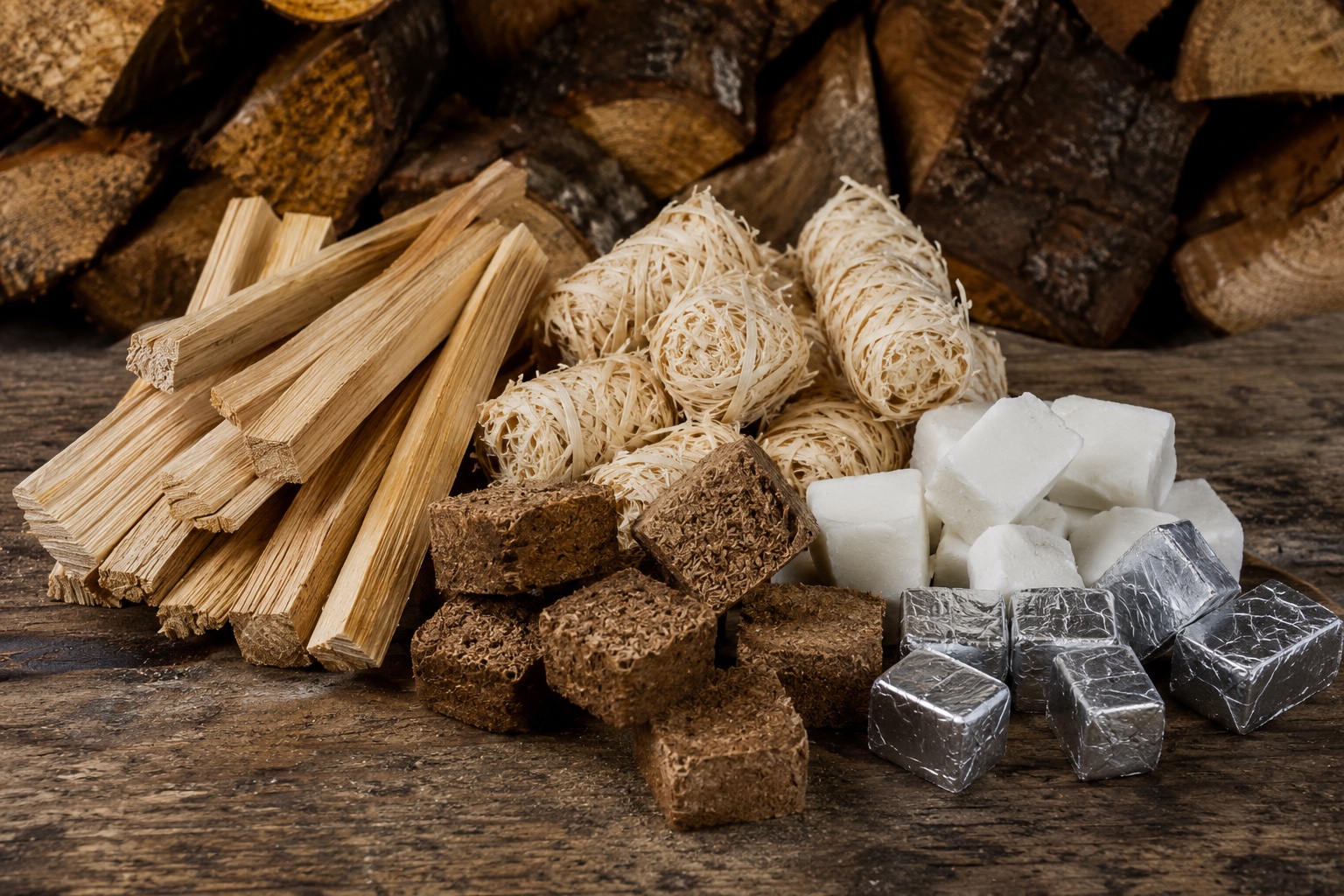
Kindling consists of small pieces of wood used to quickly and efficiently start a fire. A match or lighter alone cannot easily ignite logs, but kindling provides the energy needed to ignite larger logs and bring the stove to its optimal operating temperature. Softwoods like pine, cedar, and spruce make excellent kindling due to their quick burn and high heat output. Always ensure the kindling is dry, as damp wood struggles to ignite and reduces efficiency.
Using firelighters alongside kindling makes the process even easier, providing a reliable and consistent source of ignition to get your fire burning smoothly.
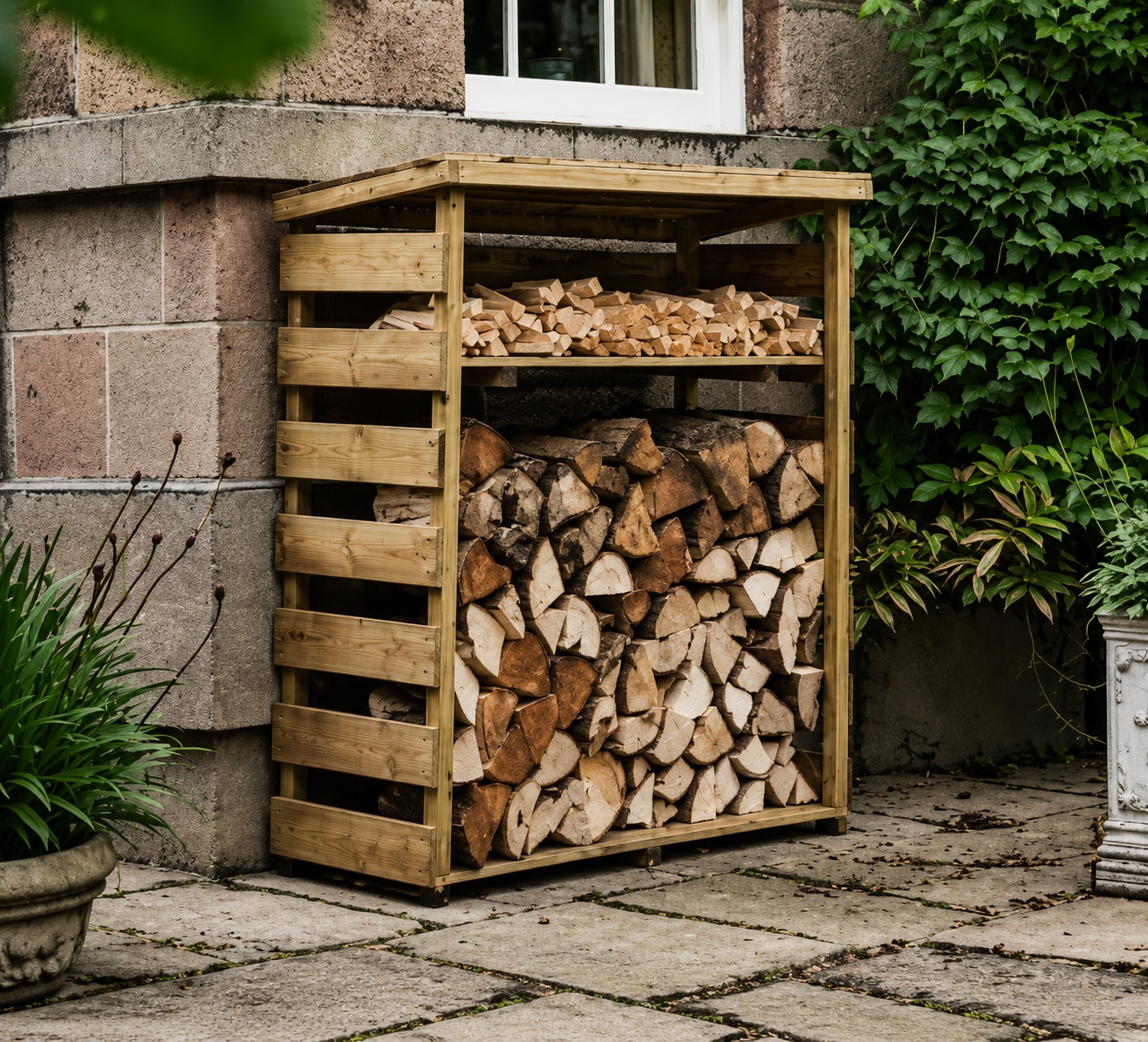
Proper storage is just as important as choosing the right fuel. Logs should be stacked off the ground in a dry, ventilated area. Cover the top to protect them from rain, but leave the sides open to allow airflow, which prevents dampness.
Wood briquettes, sealed logs, and anthracite should be kept in a cool, dry place away from direct sunlight. Heat can cause sweating in packaging, leading to moisture buildup and reduced fuel quality. Opening the packaging can help ventilation of the fuels.
It's important not to mix wood and smokeless fuels in your stove. Combining these fuels can cause a chemical reaction during combustion that may lead to etching or permanent damage to the stove glass. To ensure the longevity of your stove and maintain clear glass, always burn fuels separately and follow the recommended guidelines for each type.
This appliance must not be used as an incinerator. Burning unsuitable or non-recommended fuels, including petroleum coke fuels, household waste, or liquid fuels, can cause severe damage to the stove, increase the risk of chimney fires, and release harmful pollutants into the environment.
Using inappropriate fuels not only compromises the safety and efficiency of the appliance but may also void the warranty. Always adhere to the recommended fuels for safe, efficient, and environmentally responsible operation. Failure to follow these guidelines poses significant risks to the appliance, the environment, and personal safety.
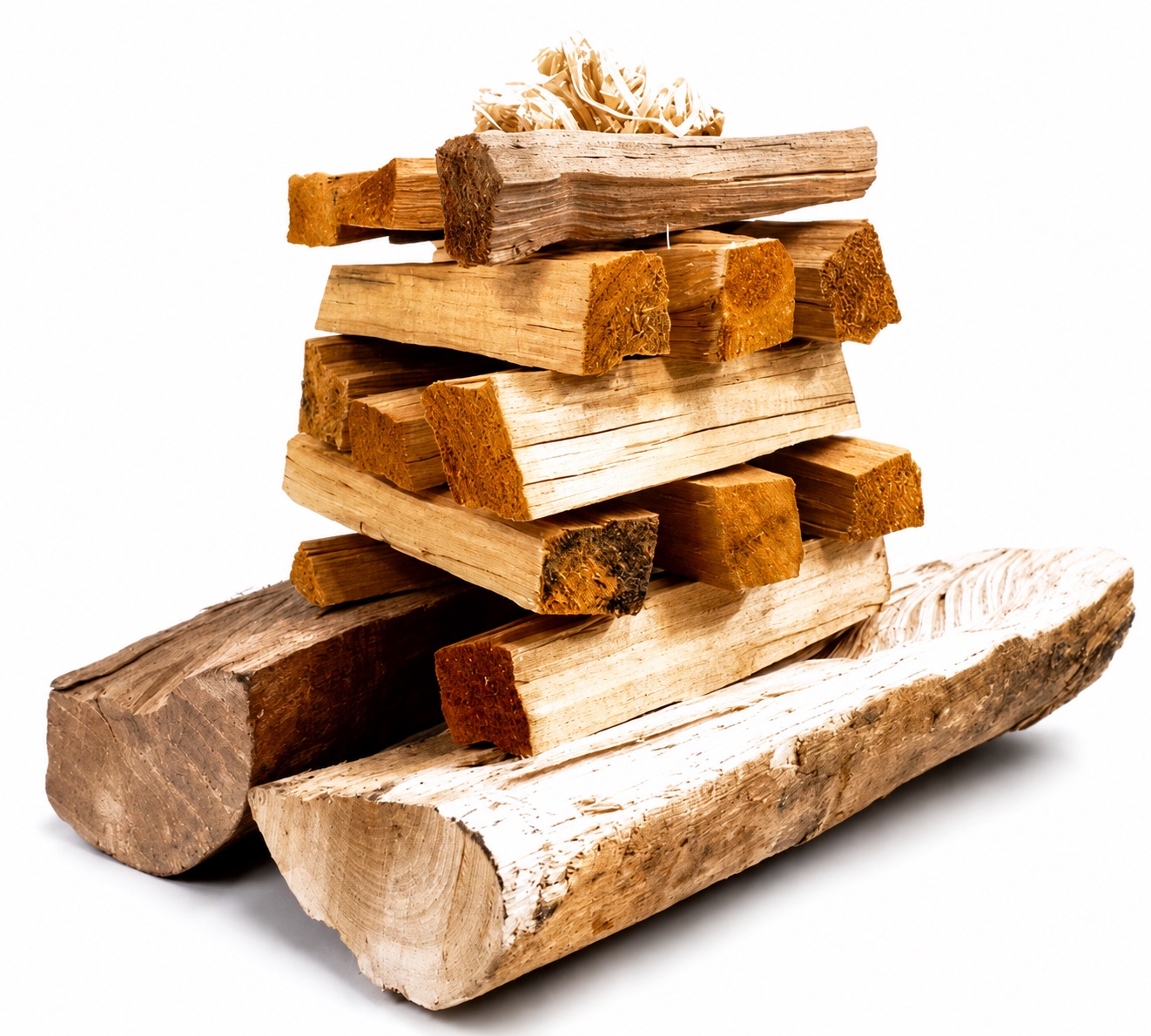
Lighting a stove effectively requires a method that minimises smoke production and maximises efficiency. The top-down method is widely recognised for achieving this. Unlike traditional methods, where fires are lit from the bottom, the top-down approach starts with the largest logs at the bottom, smaller logs in the middle, and kindling at the top. This arrangement ensures a cleaner, hotter, and longer-lasting fire.
The top-down method ensures efficient combustion, minimal smoke, and a longer-lasting fire.